
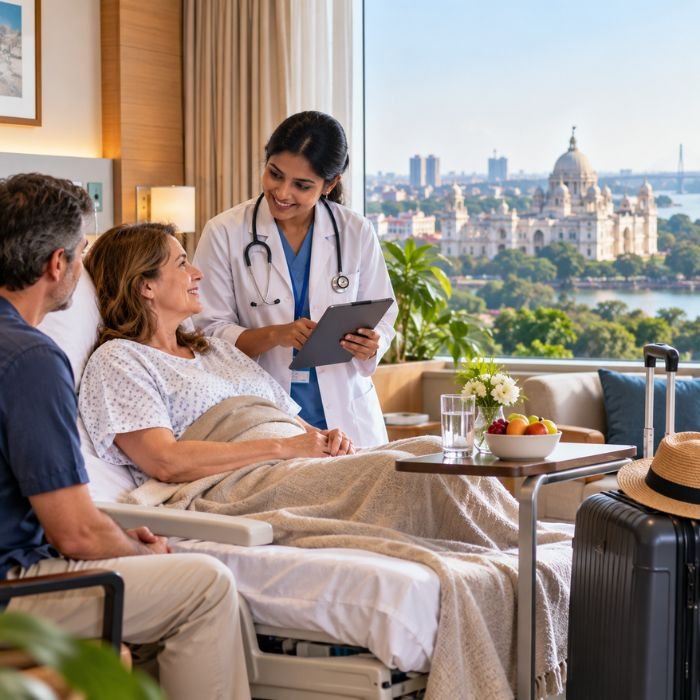
Most people who travel to India for treatment spend weeks planning the procedure and only a few minutes thinking about what comes after it. That is understandable. The surgery feels like the big event. Yet the days and weeks of recovery are often where things go right or wrong.
A patient who is discharged into a cramped hotel room, with no nurse to check on the wound and no clear plan for the flight home, faces a far harder time than one whose recovery was mapped out in advance. This guide covers how long you may need to stay, where to recover, what kind of care to arrange and how to know you are ready to fly.
Why the Recovery Stay Deserves as Much Planning as the Treatment
Hospital discharge is not the same as full recovery. Once you leave the ward, you still need wound checks, medicines on time, gentle movement and a review with your surgeon before travelling. Skipping any of these raises the risk of infection, blood clots or a painful setback thousands of kilometres from home.
International patients also tend to stay a long time. Official data shows India received 6,44,387 foreign visitors for medical purposes in 2024 (DD News, Ministry of Tourism data). An analysis of tourism data found that visitors from Oceania and Africa stayed around 27 to 32 days on average, largely because of medical travel and extended visits (Factly). A stay of that length needs a proper base, not a last-minute booking.
How Long Should You Plan to Stay in India After Treatment?
The honest answer is that your surgeon decides, and the plan can change once they see how you heal. Still, a rough idea helps you book flights and accommodation sensibly. Diagnostic check-ups and minor day-care procedures may need only a few days. Dental implant work is often split into two visits separated by a healing period of a few months. Knee or hip replacement, spine surgery and cardiac procedures commonly call for two to four weeks in the country, including physiotherapy and a final review. Cancer treatment and transplants can take several months.
Whatever the estimate, add a few spare days. Booking a flexible or changeable return ticket costs a little more upfront and saves a lot of stress if your doctor asks you to stay longer.
Where to Recover: Choosing the Right Accommodation
Hotels are fine for short stays, but they are rarely built for someone walking with a frame or needing a special diet. For longer recoveries, most families prefer a serviced apartment or a patient guest house close to the hospital. Look for a few practical things before booking:
- A lift, ground-floor access or ramps if mobility will be limited.
- A kitchen, so the patient can eat simple home-style food as advised.
- Distance of no more than a short drive to the hospital for dressing changes and reviews.
- Space for an attendant to sleep comfortably, since many patients travel with a family member.
Well-planned health tourism packages in India usually include accommodation of this kind, so check whether yours covers the full recovery period or only the nights around your admission.
Nursing Care and Physiotherapy After Discharge
This is the part of recovery that many patients underestimate. After major surgery, a trained nurse can manage dressings, monitor temperature and blood pressure, give injections, help with bathing and spot early warning signs before they become emergencies. For elderly or bedridden patients, round-the-clock care may be needed for the first week or two.
Physiotherapy matters just as much, especially after joint replacement, spine surgery or a stroke. Sessions are often arranged at the apartment rather than the hospital, which spares the patient tiring trips across the city. Ask your provider whether home nursing and physiotherapy come as part of the package or at an extra charge, and make sure the carers can communicate comfortably with you.
Diet, Rest and Staying Well in a New Climate
Indian food is wonderful, but a healing body usually needs plain, easily digested meals for a while. Follow the diet chart your hospital gives you, drink bottled or purified water, and avoid street food until your doctor says you are well. Heat and humidity can be tiring, particularly between April and September in eastern and southern India, so keep rooms cool and rest during the hottest part of the day.
Recovery is also emotional. Being away from home, in pain and unable to do much can feel isolating. Short video calls with family, a familiar routine and a companion who understands your language make a real difference to mood and, often, to healing.
Are You Fit to Fly? Getting Clearance Before You Travel Home
Never book the return flight based only on the original estimate. Before you leave, ask your surgeon for a final review and a written fit-to-fly note. Some airlines ask for a medical clearance form for passengers who have recently had surgery, need a wheelchair or require extra oxygen, so contact the airline early.
For long flights after orthopaedic or abdominal surgery, doctors may recommend compression stockings, an aisle seat, regular walks in the cabin and sometimes medicine to lower the risk of clots. Carry your discharge summary, prescriptions and a letter describing the procedure in your hand luggage, not in checked bags.
Planning Follow-Up Care Once You Are Home
Your treatment does not end at the airport. Agree a follow-up schedule with your Indian doctor before leaving, including online consultations at set points such as two weeks, six weeks and three months. Share your records with your local physician so they know exactly what was done. Keep a named contact in India who will answer if a question comes up at midnight your time.
Recovering in Kolkata: A Comfortable Base for Neighbouring Countries
For patients from Bangladesh, Nepal, Bhutan and the North East, Kolkata offers a short journey home and a familiar language and cuisine for many families. Areas such as Salt Lake, EM Bypass and Rajarhat have hospitals, serviced apartments and pharmacies close together, which makes daily recovery routines easier. Living costs are also friendlier than in most large metros, a real advantage when a stay runs into weeks.
How Kurves Kare India Helps You Recover Well
Kurves Kare India began with home nursing and elder care, and that experience shapes our medical tourism service. We help with consultations, hospital selection, travel and accommodation, but we pay particular attention to the weeks after discharge. Our team can arrange trained nurses, attendants and physiotherapy at your place of stay, with 24/7 ambulance support if something unexpected happens.
If you are comparing health tourism packages India offers and want recovery planned as carefully as treatment, call us on +91 98364 60607 to talk through your case.
Frequently Asked Questions
Do health tourism packages in India include post-treatment care?
Many do, but the scope varies widely. Some cover only hospital follow-up visits, while others include home nursing, physiotherapy and online reviews after you return home. Ask for the details in writing.
Can a family member stay with me during recovery?
Yes. Relatives can travel on the e-Medical Attendant visa, which is linked to the patient’s e-Medical visa, and stay with you through treatment and recovery.
What if complications happen after I leave the hospital?
Contact your treating hospital or care provider immediately. This is why staying near the hospital and having a named contact available at all hours are so important.
Is home nursing available for foreign patients in India?
Yes. Trained nurses and attendants can visit or stay at your apartment or guest house. The service can be arranged for a few hours a day or around the clock.
When is it safe to fly home after surgery?
Only your surgeon can decide that, based on the procedure and your healing. Get a written fit-to-fly note and check the airline’s own medical rules before booking.
Final Word
A good recovery rarely happens by accident. Choose a place to stay that suits your condition, arrange nursing and physiotherapy before you need them, and leave room in your schedule for healing at its own pace. Plan the weeks after treatment with the same care as the treatment itself, and the journey home becomes much easier.