
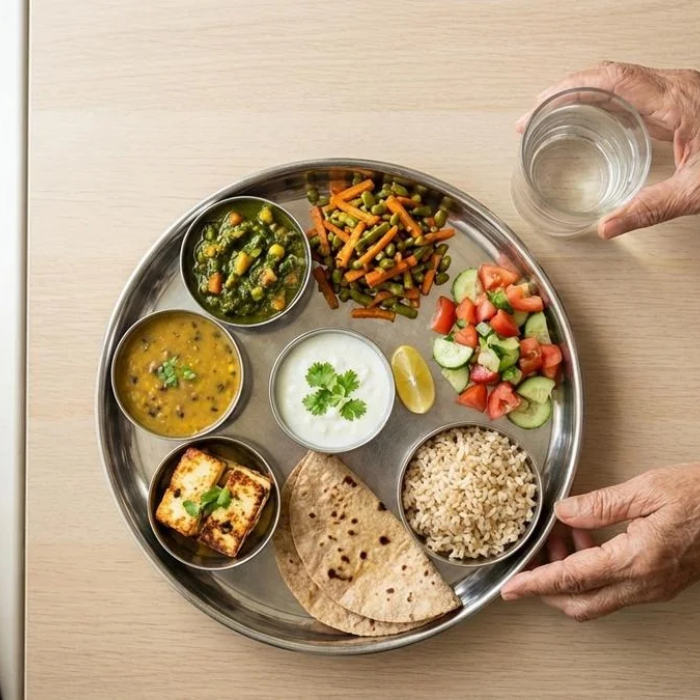
Nutrition for Senior Citizens: Healthy Meal Planning for Diabetes, Hypertension and Ageing
Food plays an important role in maintaining good health at every stage of life. However, nutritional needs can change as people grow older. Some senior citizens experience reduced appetite, digestion problems, difficulty chewing or changes in their ability to absorb certain nutrients. Existing health conditions such as diabetes, hypertension and heart disease can also make everyday food choices more important. For families caring for elderly parents, planning balanced meals can sometimes feel confusing. They may wonder which foods are suitable, how much salt or sugar should be included and whether older adults need special dietary arrangements. Understanding nutrition for senior citizens can help families make informed food choices that support overall health, energy levels and physical well-being. A balanced diet does not have to be complicated or expensive. With suitable ingredients, regular meal timings and attention to individual health requirements, healthy eating can become a comfortable part of everyday life. Why Is Proper Nutrition Important for Senior Citizens? As the body ages, several physical changes can influence nutritional requirements. Older adults may become less physically active and require fewer calories, but their need for essential nutrients remains important. A lack of adequate nutrition can contribute to muscle weakness, reduced immunity, poor bone health and slower recovery from illness. Skipping meals or eating very small portions without considering nutritional value may also increase the risk of deficiencies. A balanced diet helps senior citizens: Maintain muscle strength and physical activity. Support bone health and joint function. Improve digestive health through adequate fibre. Maintain healthy body weight. Support heart health and blood sugar management. Reduce the risk of nutritional deficiencies. The goal should be to provide nutrient-rich meals that match the person’s age, activity level, medical condition and food preferences. Essential Nutrients Required for Healthy Ageing A senior citizen’s daily meals should include a variety of nutrients rather than focusing on one particular food group. 1. Protein for Muscle Strength Muscle loss can become more common with ageing, particularly when physical activity and food intake decrease. Protein helps maintain muscle tissue and supports recovery. Suitable protein sources include: Dal, lentils and chickpeas. Eggs and fish. Milk, curd and paneer. Soy products. Nuts and seeds. Protein requirements may vary depending on body weight, activity level and kidney health. Seniors with kidney disease should follow a diet recommended by their doctor or renal dietitian. 2. Calcium and Vitamin D for Bone Health Older adults are more vulnerable to reduced bone density. Calcium and vitamin D play important roles in maintaining healthy bones. Milk, curd, paneer, ragi and suitable leafy vegetables can contribute calcium to the diet. Vitamin D is also important for calcium absorption. If a senior citizen has a deficiency, a healthcare professional may recommend testing or supplementation. Supplements should not be started without appropriate advice. 3. Fibre for Better Digestion Constipation is a common concern among older adults. A diet containing sufficient fibre can help support regular bowel movements. Include foods such as oats, whole wheat, vegetables, fruits, beans and lentils. Fibre intake should be increased gradually, along with appropriate fluid intake, to avoid digestive discomfort. 4. Healthy Fats and Essential Vitamins Nuts, seeds and suitable vegetable oils provide healthy fats. Fruits and vegetables supply important vitamins, minerals and antioxidants. A variety of colourful vegetables, seasonal fruits and minimally processed foods can help improve the nutritional quality of everyday meals. Meal Planning for Senior Citizens with Diabetes Managing diabetes requires attention to food choices, meal portions and consistency. The aim is not to remove all carbohydrates but to choose suitable sources and distribute them appropriately throughout the day. Here are some practical meal-planning suggestions: Choose fibre-rich carbohydrates: Whole wheat roti, oats, millets, vegetables and pulses can be included in suitable portions. Brown rice may also be an option depending on individual preferences and meal planning. Avoid excessive added sugar: Limit sweets, sweetened beverages, packaged juices and desserts. Whole fruits are generally a better option than fruit juices because they provide fibre. Include protein with meals: Dal, eggs, fish, curd or paneer can be combined with meals to improve nutritional balance. Maintain regular meal timings: Skipping meals can create difficulties, particularly for seniors taking diabetes medication or insulin. Meal schedules should be coordinated with their treatment plan. Blood glucose monitoring and medication should continue according to medical advice. Dietary changes alone should not replace prescribed diabetes treatment. Healthy Eating Habits for Senior Citizens with Hypertension High blood pressure requires careful attention to salt intake and overall dietary habits. Excessive sodium consumption can contribute to increased blood pressure, making food preparation particularly important. Families can make a few simple changes: Reduce the amount of salt added during cooking. Limit pickles, papad, packaged snacks and salted mixtures. Avoid frequent consumption of processed and ready-to-eat foods. Include suitable fresh vegetables and fruits. Choose home-cooked meals instead of frequently eating restaurant food. Use herbs, lemon, garlic and spices to improve flavour without relying on extra salt. Traditional foods do not necessarily need to be removed from the menu. For example, dal, vegetables, roti and fish can remain part of a balanced meal when prepared with suitable ingredients and portions. However, seniors with kidney disease or certain heart conditions may need additional dietary restrictions. Potassium-rich foods, for example, may not be suitable for everyone with kidney problems. A Simple Daily Meal Plan for Senior Citizens A practical meal schedule can help families organise everyday food preparation. The following is an illustrative Indian meal plan, not a personalised prescription. Meal Food Suggestions Early Morning Water, if permitted, or a suitable unsweetened beverage Breakfast Vegetable oats, vegetable poha or a suitable portion of whole-grain toast with egg Mid-Morning A small portion of whole fruit Lunch Roti or rice, dal, cooked vegetables and fish or paneer Evening Snack Unsalted nuts, roasted chana or plain curd Dinner Vegetable khichdi, roti with cooked vegetables or a light dal-based meal Before Bed Milk without added sugar, if suitable Meal portions should be adjusted according to appetite, nutritional requirements and medical conditions. People with diabetes