Kurves Kare India

Welcome to Kurves Kare India Pvt Ltd.

Call Us Any Time

+91 98364 60607

Email Us

kurveskare2012@gmail.com

Working Time

24 * 7 ( All Day )

Welcome to Kurves Kare India Pvt Ltd.

Blog

Post Hospitalization Care for Elderly in Kolkata
Blog

Post-Hospitalization Care for Elderly Patients in Kolkata: A Practical Guide for Families

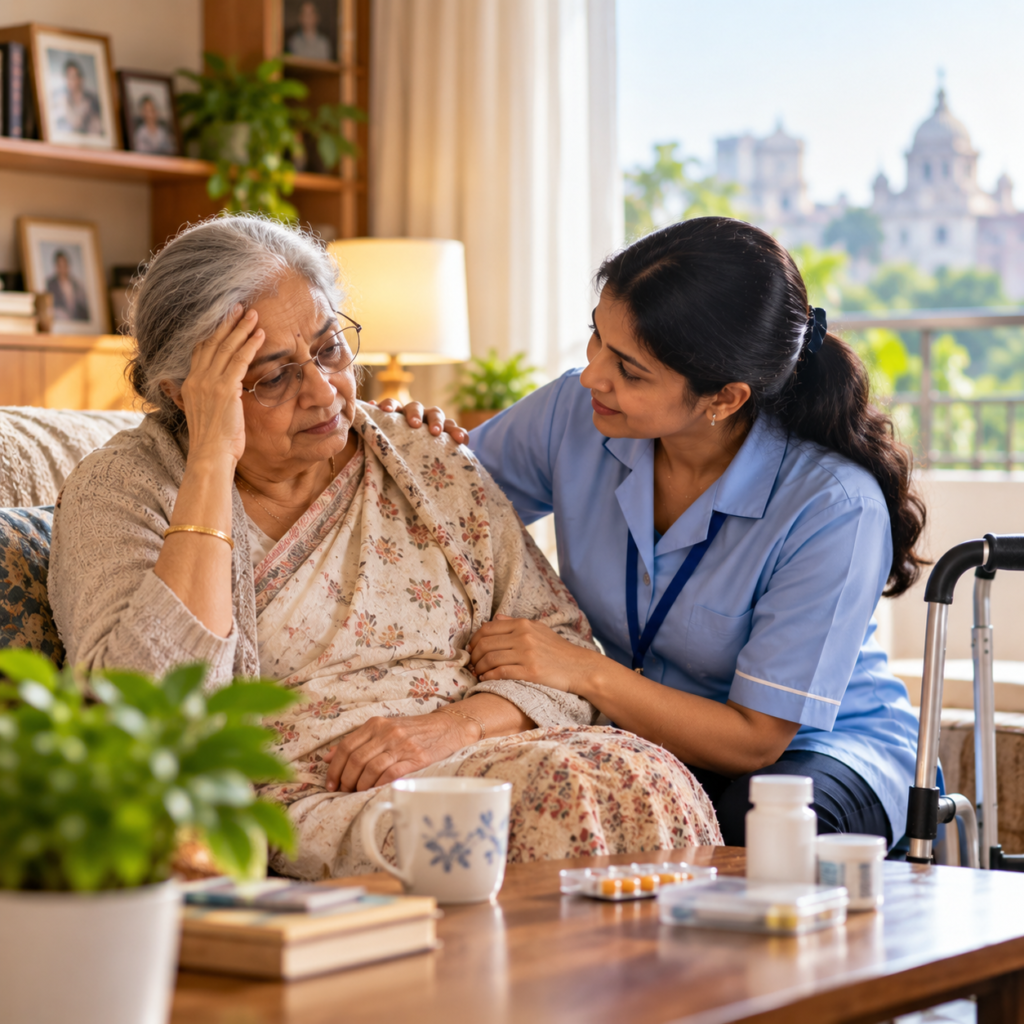
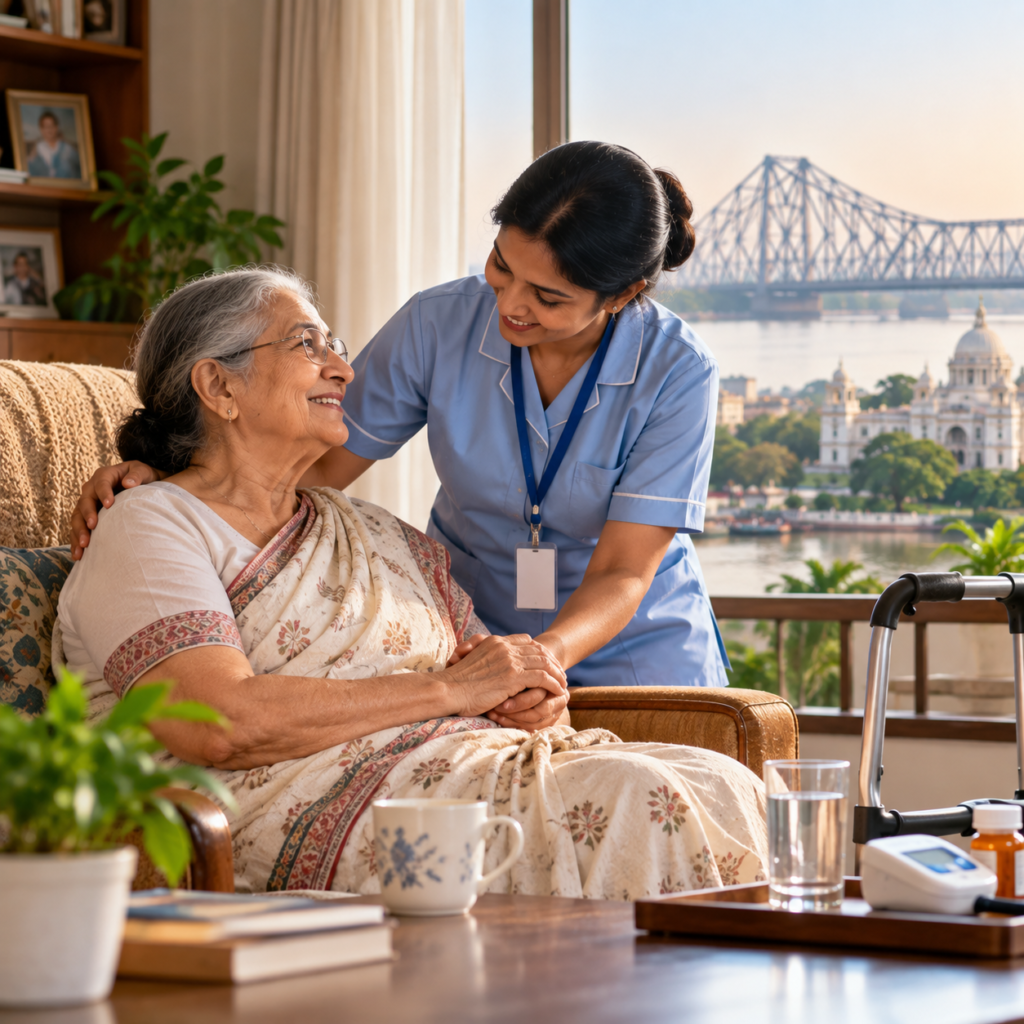
Returning home after a hospital stay is an important step in an elderly person’s recovery. However, getting discharged does not always mean that the patient has completely recovered. Older adults may still experience weakness, difficulty walking, pain, reduced appetite or challenges with everyday activities. They may also need regular medication, wound dressing, physiotherapy and medical supervision. For families, managing all these responsibilities can become challenging, particularly when work and other commitments make it difficult to provide constant attention. This is where professional post-hospitalization care becomes valuable. Families looking for post hospitalization care for elderly in Kolkata should understand what recovery involves, what kind of assistance may be required and how to create a comfortable and safe environment at home. With proper planning and suitable caregiving support, seniors can continue their recovery without compromising their comfort and dignity. Why Is Post-Hospitalization Care Important for Elderly Patients? Older adults often take longer to regain their strength after surgery, an injury or a serious illness. A prolonged hospital stay may also lead to muscle weakness, reduced mobility and difficulty performing routine activities independently. Even after treatment, some patients may need assistance with bathing, dressing, eating and moving around the house. Others may require regular monitoring because of existing conditions such as diabetes, hypertension or heart disease. Proper post-hospitalization care helps address these needs through consistent support and observation. It also allows family members to identify changes in the patient’s condition and seek medical attention when necessary. The main objective is to support recovery, prevent avoidable complications and help elderly individuals regain as much independence as their condition allows. Common Challenges Elderly Patients Face After Hospital Discharge The recovery process differs from person to person. However, certain challenges are commonly experienced by seniors after returning home. Physical Weakness and Fatigue Spending several days in bed or having limited physical activity can reduce muscle strength. Seniors may feel tired even after performing simple tasks such as standing, walking or getting dressed. Difficulty with Mobility Some elderly patients may need assistance while walking, using the bathroom or climbing stairs. Reduced balance and muscle strength can also increase the risk of falls. Medication Management Patients are often prescribed multiple medicines after hospital treatment. Remembering the correct dosage and timing can be difficult, especially for those already managing several health conditions. Wound Care and Dressing Patients recovering from surgery or injuries may require regular wound cleaning and dressing changes. Poor wound care can increase the risk of infection and delay recovery. Changes in Appetite and Sleep Hospitalisation, medication and physical discomfort can affect eating and sleeping habits. Some seniors may experience reduced appetite, disturbed sleep or general discomfort during recovery. Emotional Stress Returning home after a serious illness can sometimes create anxiety or feelings of dependence. Elderly patients may become frustrated when they cannot perform activities they previously managed independently. Recognising these challenges helps families arrange appropriate care before small difficulties become bigger concerns. Essential Aspects of Post-Hospitalization Care at Home A comfortable recovery environment involves more than providing meals and medicines. Families should consider the patient’s medical instructions, physical abilities and everyday requirements. 1. Follow the Hospital Discharge Instructions The discharge summary is one of the most important documents for continuing care at home. It contains information about the diagnosis, treatment received, prescribed medicines, follow-up appointments and other recovery instructions. Before leaving the hospital, families should clarify any doubts with the treating doctor. Keep the discharge summary, investigation reports, prescriptions and emergency contact details in one accessible place. Make sure everyone involved in the patient’s care understands the instructions. Avoid changing medication doses or stopping treatment without consulting the doctor. 2. Maintain a Proper Medication Schedule Medication management is an important part of recovery, particularly for seniors with multiple health conditions. Prepare a daily medicine chart mentioning the medicine name, prescribed dosage and timing. A pill organiser or reminder system may also help prevent missed doses. Caregivers should observe whether the patient experiences unusual symptoms after taking medication. Any suspected side effects or concerns should be discussed with the treating doctor. 3. Ensure Proper Nutrition and Hydration A balanced diet supports the body’s recovery and helps maintain energy levels. However, elderly patients may have specific dietary requirements depending on their medical condition. For example, someone managing diabetes, kidney disease or hypertension may need a doctor-recommended meal plan. Families should focus on providing nutritious meals with suitable portions of protein, vegetables, fruits and other recommended foods. Adequate fluid intake is equally important unless the doctor has advised fluid restrictions. If the patient has difficulty chewing or swallowing, seek professional dietary and medical advice before changing food consistency. 4. Assist with Mobility and Physiotherapy Remaining inactive for long periods can make it harder for seniors to regain their strength. Depending on the patient’s condition, doctors may recommend physiotherapy or supervised physical activities. A physiotherapist can assess mobility, balance and muscle strength before suggesting suitable exercises. These may include gentle movements, walking practice and exercises to improve flexibility. Family members should never force patients to exercise beyond their comfort or medical instructions. Assistance should be provided while walking or changing positions if the patient is at risk of falling. 5. Maintain Hygiene and Wound Care Personal hygiene is essential for elderly patients recovering from surgery or illness. Some individuals may need help with bathing, changing clothes, oral hygiene and maintaining clean bedding. For patients with surgical wounds, dressing changes should follow the treating healthcare professional’s instructions. Caregivers should watch for increasing redness, swelling, warmth, unusual discharge, worsening pain or fever. These symptoms may indicate an infection and require prompt medical assessment. Wound care should be performed by appropriately trained personnel when professional assistance is needed. 6. Make the Home Environment Safer A few practical changes can make everyday movement easier and reduce the risk of accidents. Families should consider: Removing loose rugs, clutter and obstacles from walking areas. Installing grab bars in bathrooms where necessary. Keeping frequently used belongings within easy reach. Ensuring sufficient lighting in bedrooms, corridors and
Dementia care at home in Kolkata
Blog

Dementia Care at Home in Kolkata: A Complete Guide for Families and Caregivers

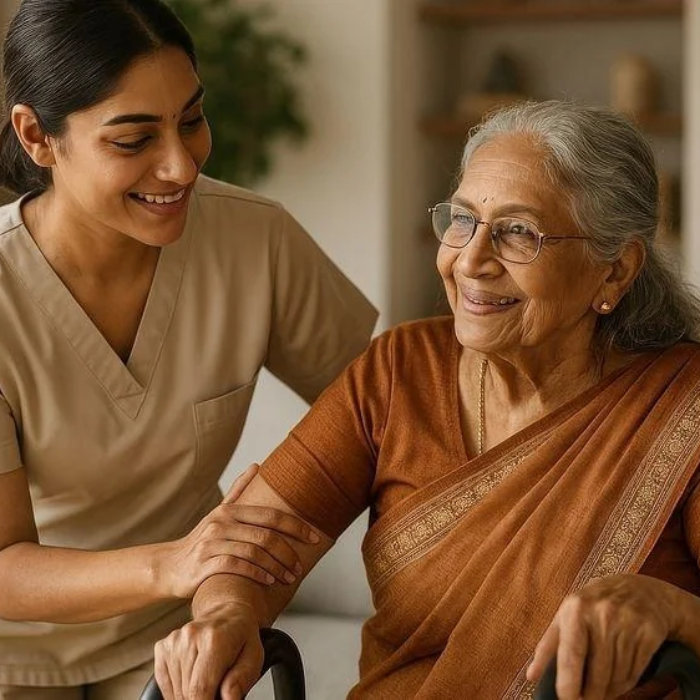
Watching a loved one struggle with memory loss, confusion or changes in behaviour can be difficult for any family. Simple everyday activities, such as remembering familiar names, preparing meals or following a daily routine, may gradually become challenging. For families caring for an ageing parent or relative, understanding these changes and arranging the right support becomes increasingly important. Dementia is a condition that affects memory, thinking, communication and the ability to perform everyday activities. Although it is more common among older adults, it is not a normal part of ageing. With proper medical guidance, patience and consistent support, people living with dementia can continue to experience comfort, dignity and meaningful moments. For families who prefer their loved ones to remain in familiar surroundings, dementia care at home in Kolkata can be a practical option. It provides an opportunity to receive personalised assistance while staying connected to familiar people, routines and surroundings. Understanding Dementia and Its Impact on Daily Life Dementia is an umbrella term used to describe a group of conditions that affect brain function. Alzheimer’s disease is one of the most common forms, while other types include vascular dementia and Lewy body dementia. The condition affects individuals differently. Some people initially experience mild forgetfulness, while others may have difficulty recognising familiar people, communicating their needs or managing everyday responsibilities. Common signs and challenges associated with dementia include: Forgetting recent conversations, appointments or important information. Repeating questions or telling the same stories frequently. Getting confused about familiar places, dates or surroundings. Experiencing changes in mood, personality or behaviour. Finding it difficult to manage personal hygiene, dressing or eating. Having trouble following conversations or expressing thoughts. These changes can affect both the individual and their family. Early medical assessment is important because some conditions that cause memory problems may be treatable. Why Is Home-Based Dementia Care Important? A familiar home environment can provide comfort and a sense of security to someone living with dementia. Recognising familiar rooms, belongings, family members and daily routines may help reduce confusion and anxiety. Professional home care also allows families to arrange assistance according to their loved one’s individual needs rather than following a fixed institutional routine. Some important benefits include: Comfort of Familiar Surroundings Remaining at home allows seniors to stay close to familiar objects, photographs and family members. This familiarity can make everyday experiences more reassuring. Personalised Attention Every person with dementia has different care requirements. Home-based assistance can be organised around their health condition, daily habits, mobility and level of independence. Assistance with Everyday Activities Caregivers can help with bathing, dressing, grooming, eating, walking and other daily activities when required. The objective should always be to encourage independence wherever possible. Better Family Involvement Home care makes it easier for family members to remain involved in daily activities, observe changes and communicate with healthcare professionals. Support for Family Caregivers Caring for someone with dementia can be physically and emotionally demanding. Professional assistance can give family members time to manage their responsibilities while ensuring their loved one receives consistent attention. Essential Aspects of Dementia Care at Home Effective dementia care involves more than helping someone complete everyday tasks. It requires patience, observation, communication and an understanding of changing care needs. Here are some important areas families should consider. 1. Maintaining a Consistent Daily Routine People living with dementia may become confused when their daily schedule changes frequently. Maintaining consistent waking, bathing, meal and sleeping times can make everyday life more predictable. Families can also introduce familiar activities such as listening to music, reading, gardening or looking through old photographs. Activities should be adjusted according to the person’s interests and abilities. 2. Creating a Safe Home Environment Home safety becomes increasingly important as dementia progresses. Memory difficulties and reduced awareness of surroundings can increase the risk of accidents. Families should consider the following precautions: Remove loose rugs and unnecessary obstacles to reduce fall risks. Install grab bars in bathrooms where needed. Ensure hallways and staircases have adequate lighting. Keep medicines, cleaning products and sharp objects securely stored. Label important rooms and frequently used household items. Keep emergency contact details easily accessible. Take precautions to prevent wandering and accidental exits. The home should remain comfortable and easy to navigate without unnecessarily restricting the person’s independence. 3. Providing Emotional and Personal Support A person with dementia may sometimes become anxious, frustrated or withdrawn. These reactions can occur because they are unable to understand a situation or communicate what they are experiencing. Caregivers should speak calmly, use simple sentences and allow enough time for responses. Instead of repeatedly correcting forgotten information, they should offer reassurance and gently redirect the conversation when necessary. Respectful communication helps maintain dignity and creates a more supportive atmosphere. 4. Medication and Health Monitoring People with dementia may also have other health conditions that require regular medication and medical attention. Missing doses, taking incorrect medicines or forgetting appointments can create additional health concerns. A caregiver can help maintain medication schedules, observe changes in appetite or sleep and keep records of unusual behaviour or physical symptoms. Medicines should always be administered according to the treating doctor’s instructions. Sudden confusion or a rapid change in behaviour should not automatically be attributed to dementia. It may indicate an infection, medication reaction or another medical problem that requires prompt assessment. 5. Nutrition and Physical Activity Proper nutrition and suitable physical activity contribute to overall well-being. Families should offer balanced meals, adequate fluids and foods that are easy to eat, based on the person’s medical and dietary requirements. Gentle walking, supervised movement and simple physical activities may help maintain mobility. However, the level of activity should be discussed with a healthcare professional, particularly if the person has mobility difficulties or other medical conditions. When Should Families Consider Professional Dementia Caregivers? Family members often manage care independently during the early stages of dementia. However, as the condition progresses, additional assistance may become necessary. Consider professional caregiving support when your loved one: Frequently forgets medication or requires supervision. Has difficulty maintaining

Fall-Proofing Your Parents' Home in Kolkata
Blog

Fall-Proofing Your Parents’ Home in Kolkata: A Room-by-Room Safety Guide

Ask any family who has cared for an elderly parent, and many will point to one moment when things changed: a fall. A slip in the bathroom, a missed step on the staircase, a trip over a rug at night. For an older person, a single fall can lead to a hip fracture, weeks in bed and a loss of confidence that lasts far longer than the injury. The good news is that most falls at home are preventable. Small changes to the house and a few daily habits cut the risk sharply. This guide walks through each part of a typical Kolkata home and explains what to fix, what to add and when extra help makes sense. Why Falls Are Such a Serious Risk in Later Life According to the World Health Organization, falls are the second leading cause of unintentional injury deaths worldwide, and death rates from falls are highest among adults over 60. WHO also notes that older people who become disabled after a fall face a major risk of needing long-term care (WHO fact sheet on falls). Beyond the physical injury, many older adults develop a fear of falling again. They move less, lose strength and balance, and that weakness makes the next fall more likely. Breaking this cycle early protects both body and independence. Why Kolkata Homes Carry Their Own Risks Every city has its hazards, but a few are especially common here. Older houses in north and central Kolkata often have steep, narrow staircases, high door thresholds and uneven floors. Many older apartment buildings still have no lift, so a parent on the second floor climbs stairs several times a day. Mosaic and marble floors become slippery the moment they get wet, and during the monsoon, damp floors and leaking corners are part of life. Power cuts leave rooms and stairwells in darkness without warning. Indian-style toilets require squatting, which becomes harder and riskier with weak knees. And the rooftop terrace, where clothes are dried and evenings are spent, often has low walls and algae on the floor after rain. A Room-by-Room Fall Prevention Checklist Bathroom This is where most serious falls at home happen, so start here. Fit grab bars beside the toilet and in the bathing area, fixed firmly into the wall rather than a towel rail. Lay anti-skid mats or apply anti-slip coating to the floor. If your parent uses an Indian-style toilet, a commode chair or a raised seat that fits over it can remove the need to squat. For bucket baths, a sturdy plastic chair with a backrest is safer than a low stool. Leave a small night light on, and encourage your parent not to lock the bathroom door so help can reach them quickly. Bedroom The bed should be at a height where your parent can sit with feet flat on the floor and knees level with the hips. Keep a lamp or switch within reach so they never walk across a dark room. Clear a straight path from bed to bathroom, free of footstools, suitcases and loose wires. For parents who wake several times at night, a bedside commode can prevent a sleepy walk to the toilet. Staircase and Entrance Install handrails on both sides of the stairs if possible, since a single rail only helps in one direction. Bright tape along the edge of each step makes it easier to see where one ends and the next begins. Good lighting at the top and bottom, ideally with a rechargeable emergency light for power cuts, is essential. Keep the entrance free of the usual pile of chappals and shoes. Kitchen and Living Room Move everyday items like tea, rice and utensils to shelves between waist and shoulder height so your parent does not need to climb on a stool. Remove or fix loose durries and rugs with anti-slip backing. Tuck TV and fan cables along the wall. Chairs with sturdy arms make standing up easier than low sofas or moras. Balcony and Rooftop Terrace Lower clothes lines to a comfortable height so nobody has to stretch or stand on a bucket. Scrub algae off terrace floors after the rains, and ask your parent to avoid the roof altogether during wet weather or after dark. Daily Habits That Matter as Much as Grab Bars The house is only half of the picture. Footwear makes a surprising difference: loose, worn-out chappals are a common cause of trips, while well-fitting slippers with a rubber sole grip much better. Ask your parent’s doctor to review all their medicines, since some tablets for sleep, blood pressure or anxiety can cause dizziness. Regular eye check-ups matter too, because outdated glasses make steps and edges harder to judge. Encourage your parent to sit for a moment before standing up from bed, especially in the morning. Kolkata’s heat and humidity can cause dehydration, which adds to dizziness, so water through the day helps. Gentle strength and balance exercises, guided by a physiotherapist, rebuild the leg muscles that prevent falls in the first place. Daily walks also help, as long as they are safe. A slow walk around the para or a nearby park in the cooler morning hours keeps the legs working. Avoid broken pavements and waterlogged lanes during the monsoon, and have someone walk alongside if balance is already shaky. What to Do If a Fall Happens If your parent falls, do not rush to pull them up. Check first for pain, bleeding or an inability to move a limb, and call for medical help if there is any doubt. Even when a fall seems minor, a doctor’s check within a day or two is wise, because hairline fractures and head injuries are not always obvious at first. Keeping a mobile phone or an emergency alert button on their person means they can call for help even when alone. When a Trained Caregiver Makes Sense Home changes go a long way, but some parents need a person beside them. A trained attendant

Signs Your Ageing Parent Needs Home Care
Blog

Signs Your Ageing Parent Needs Home Care: A Guide for Families Living Away From Kolkata

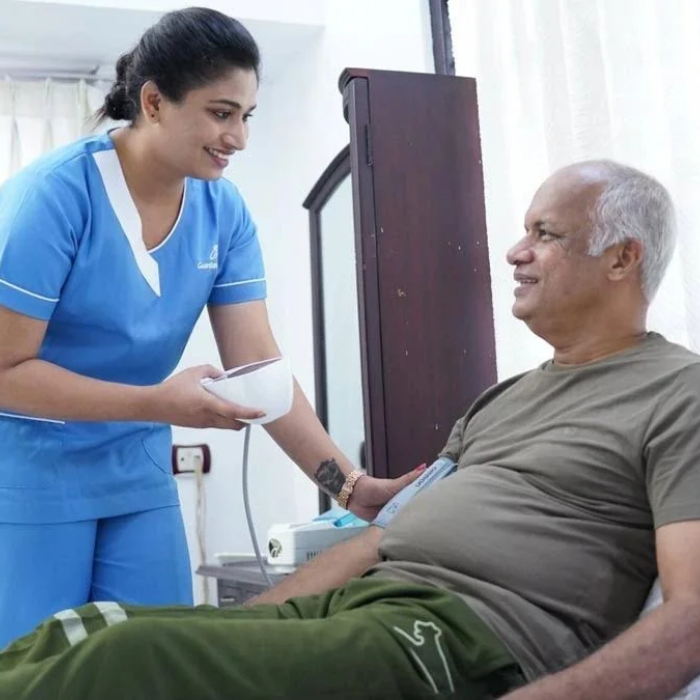
The weekly phone call usually goes the same way. Ma says she is eating properly. Baba says the knee pain is better. Nothing to worry about. Then you fly home for Durga Puja and notice things the calls never mentioned: stale food in the fridge, medicine strips left unopened, a bruise on the arm that nobody explains. Thousands of sons and daughters working in Bengaluru, Pune, Dubai or London go through this moment. Parents rarely ask for help, often because they do not want to be a burden. This guide covers the signs that tell you it may be time for support at home, how to raise the subject gently, and what kind of care actually fits. Why More Kolkata Families Are Facing This Question India is ageing faster than most people realise. The UNFPA India Ageing Report 2023 estimates that the number of people aged 60 and above will grow from 149 million in 2022 to 347 million by 2050, and that the 80-plus group will expand by around 279% over the same period (UNFPA India). Kolkata feels this shift sharply. Many young people move out of the city for work, leaving older couples, or a widowed parent, alone in the family home. A neighbour or an old domestic help often fills the gap for years, until one day that arrangement is no longer enough. Physical Signs You Should Not Ignore Changes in the body are often the first clue, and they are easy to miss if you only see your parent on a video call. Look closely during your next visit. Is your father holding on to walls and furniture as he moves around? Has your mother lost weight, or do her clothes suddenly look loose? Bruises, small cuts or a limp that nobody talks about can point to falls that were kept quiet. Personal hygiene is another honest indicator. When bathing, changing clothes or cutting nails starts to slip, it usually means these tasks have become physically difficult or tiring. Missed medicines matter too. Count the tablets in a strip against the date the prescription started. A mismatch tells you more than any reassurance on the phone. Clues Hidden Around the House The home often tells the story before your parent does. Walk through it with fresh eyes:       Expired or spoiled food in the fridge, or very little food at all.       Unpaid electricity bills and unopened letters from the bank piling up on a table.       Burnt vessels in the kitchen, which may mean the gas was left on and forgotten.       Dust, dirty laundry and unwashed utensils in a home that was always kept spotless.       Plants that were once watered every morning, now dry and neglected. None of these alone proves that something is wrong. Together, they suggest that daily routines are becoming harder to manage without help. It also helps to ask people who see your parent every day. The neighbour across the landing, the local grocer, the regular rickshaw puller or the family doctor often notice changes long before relatives do. A quiet word with them can give you a clearer picture than any phone call. Changes in Memory, Mood and Behaviour Everyone forgets a name now and then. What deserves attention is a pattern: asking the same question several times in one conversation, getting confused about the day, or losing the way in a neighbourhood they have known for fifty years. A parent who once loved the evening adda with friends, the morning walk in the park or the local puja committee may begin to withdraw and stay indoors. Irritability, sleeping for long hours or losing interest in favourite TV serials can signal loneliness, depression or an early memory problem. Only a doctor can tell which, so arrange a proper check-up with a physician or geriatric specialist rather than guessing. How to Talk to a Parent Who Insists “I Am Fine” Pride and fear of losing independence make this conversation tricky. Avoid opening with a verdict such as “you can’t manage alone anymore”. Instead, share what you have noticed and why it worries you. Many parents respond better when help is framed around your peace of mind: “I would sleep better in Dubai knowing someone is with you during the day.” Start small. A few hours of help each morning feels far less threatening than a full-time live-in caregiver. Let your parent meet the attendant before the service begins, and involve them in choosing the routine. People accept care far more readily when they have a say in it. If there are siblings, agree on a plan together before speaking to your parent. Mixed messages from different children only add to the confusion and make the older person more likely to refuse help altogether. What Kind of Care Does Your Parent Actually Need? Home care is not one fixed service. The right level depends on health, mobility and how much support the family can offer locally. Here is how the common options compare: Type of care Best suited for Day attendant (a few hours or a full day) Parents who are largely independent but need help with bathing, meals, walks and company 24-hour live-in caregiver Parents living alone, those with memory problems or anyone at high risk of falls Trained nurse at home Medical needs such as wound dressing, injections, catheter or feeding tube care, and post-surgery recovery Physiotherapy at home Recovery after a fracture, stroke or joint replacement, and keeping strength and balance up Many families combine these. A live-in attendant might handle daily routines while a nurse visits for medical tasks and a physiotherapist comes twice a week. How to Choose an Elderly Care Service in Kolkata Once you decide on help, the choice of provider matters as much as the decision itself. When comparing any elderly care service in Kolkata, ask how caregivers are screened and whether police verification is done. Find out what training they

Recovery Stay in India After Treatment
Blog

Recovering in India After Treatment: How International Patients Should Plan Their Stay

Most people who travel to India for treatment spend weeks planning the procedure and only a few minutes thinking about what comes after it. That is understandable. The surgery feels like the big event. Yet the days and weeks of recovery are often where things go right or wrong. A patient who is discharged into a cramped hotel room, with no nurse to check on the wound and no clear plan for the flight home, faces a far harder time than one whose recovery was mapped out in advance. This guide covers how long you may need to stay, where to recover, what kind of care to arrange and how to know you are ready to fly. Why the Recovery Stay Deserves as Much Planning as the Treatment Hospital discharge is not the same as full recovery. Once you leave the ward, you still need wound checks, medicines on time, gentle movement and a review with your surgeon before travelling. Skipping any of these raises the risk of infection, blood clots or a painful setback thousands of kilometres from home. International patients also tend to stay a long time. Official data shows India received 6,44,387 foreign visitors for medical purposes in 2024 (DD News, Ministry of Tourism data). An analysis of tourism data found that visitors from Oceania and Africa stayed around 27 to 32 days on average, largely because of medical travel and extended visits (Factly). A stay of that length needs a proper base, not a last-minute booking. How Long Should You Plan to Stay in India After Treatment? The honest answer is that your surgeon decides, and the plan can change once they see how you heal. Still, a rough idea helps you book flights and accommodation sensibly. Diagnostic check-ups and minor day-care procedures may need only a few days. Dental implant work is often split into two visits separated by a healing period of a few months. Knee or hip replacement, spine surgery and cardiac procedures commonly call for two to four weeks in the country, including physiotherapy and a final review. Cancer treatment and transplants can take several months. Whatever the estimate, add a few spare days. Booking a flexible or changeable return ticket costs a little more upfront and saves a lot of stress if your doctor asks you to stay longer. Where to Recover: Choosing the Right Accommodation Hotels are fine for short stays, but they are rarely built for someone walking with a frame or needing a special diet. For longer recoveries, most families prefer a serviced apartment or a patient guest house close to the hospital. Look for a few practical things before booking:       A lift, ground-floor access or ramps if mobility will be limited.       A kitchen, so the patient can eat simple home-style food as advised.       Distance of no more than a short drive to the hospital for dressing changes and reviews.       Space for an attendant to sleep comfortably, since many patients travel with a family member. Well-planned health tourism packages in India usually include accommodation of this kind, so check whether yours covers the full recovery period or only the nights around your admission. Nursing Care and Physiotherapy After Discharge This is the part of recovery that many patients underestimate. After major surgery, a trained nurse can manage dressings, monitor temperature and blood pressure, give injections, help with bathing and spot early warning signs before they become emergencies. For elderly or bedridden patients, round-the-clock care may be needed for the first week or two. Physiotherapy matters just as much, especially after joint replacement, spine surgery or a stroke. Sessions are often arranged at the apartment rather than the hospital, which spares the patient tiring trips across the city. Ask your provider whether home nursing and physiotherapy come as part of the package or at an extra charge, and make sure the carers can communicate comfortably with you. Diet, Rest and Staying Well in a New Climate Indian food is wonderful, but a healing body usually needs plain, easily digested meals for a while. Follow the diet chart your hospital gives you, drink bottled or purified water, and avoid street food until your doctor says you are well. Heat and humidity can be tiring, particularly between April and September in eastern and southern India, so keep rooms cool and rest during the hottest part of the day. Recovery is also emotional. Being away from home, in pain and unable to do much can feel isolating. Short video calls with family, a familiar routine and a companion who understands your language make a real difference to mood and, often, to healing. Are You Fit to Fly? Getting Clearance Before You Travel Home Never book the return flight based only on the original estimate. Before you leave, ask your surgeon for a final review and a written fit-to-fly note. Some airlines ask for a medical clearance form for passengers who have recently had surgery, need a wheelchair or require extra oxygen, so contact the airline early. For long flights after orthopaedic or abdominal surgery, doctors may recommend compression stockings, an aisle seat, regular walks in the cabin and sometimes medicine to lower the risk of clots. Carry your discharge summary, prescriptions and a letter describing the procedure in your hand luggage, not in checked bags. Planning Follow-Up Care Once You Are Home Your treatment does not end at the airport. Agree a follow-up schedule with your Indian doctor before leaving, including online consultations at set points such as two weeks, six weeks and three months. Share your records with your local physician so they know exactly what was done. Keep a named contact in India who will answer if a question comes up at midnight your time. Recovering in Kolkata: A Comfortable Base for Neighbouring Countries For patients from Bangladesh, Nepal, Bhutan and the North East, Kolkata offers a short journey home and a familiar language and cuisine for

Health Tourism Packages
Blog

Health Tourism Packages in India: What International Patients Should Know Before Travelling

Before You Pack: Why Planning Matters More Than the Procedure Travelling to another country for surgery or long-term treatment is a big decision. For most families, the stress has little to do with the operation itself. It comes from everything around it. Which hospital should you trust? Who meets you at the airport? What happens if a problem shows up after you fly home? Health tourism packages in India exist to answer those questions before you book a ticket. A good package brings the medical side (records review, consultations, choosing a hospital) together with the practical side (visa paperwork, flights, a place to stay and aftercare). This guide explains what these packages usually cover, how the process works from the first email to the last follow-up call, and what you should check before paying anyone. What Does a Health Tourism Package in India Include? A health tourism package is a coordinated plan that covers your treatment and the logistics around it. Most include a review of your medical reports, an online consultation with a specialist, a written treatment plan with an estimated cost, help with the e-Medical visa, airport pickup, accommodation near the hospital, language support and follow-up care after you return home. That said, no two providers package things the same way. Some only book a hospital slot and leave the rest to you. Others stay involved from your first enquiry until your final video check-up months later. Always ask for a written list of what is included and what is not. Items that often sit outside the package price are extra hospital days, additional tests ordered after admission, medicines to take home and the cost of an attendant’s stay. Why International Patients Are Choosing India The numbers tell a clear story. Government figures show that 6,44,387 foreign nationals came to India for medical purposes in 2024, up from 1,82,945 in 2020 when travel was restricted. Bangladesh sent the largest share with 4,82,336 patients, and Iraq, Somalia, Oman and Uzbekistan followed (DD News, Ministry of Tourism data). Provisional data for January to November 2025 recorded more than 4.5 lakh medical arrivals (DD News). Cost is the reason most people mention first. Treatments such as knee replacement, cardiac bypass, IVF and dental implants usually cost a fraction of what patients would pay privately in the US, UK or the Gulf. But price alone does not explain the trend. Waiting lists are short, most specialists speak English, and many large hospitals hold NABH or JCI accreditation. For patients from South Asia and the Middle East, familiar food and culture also make a long recovery stay easier to manage. How the Medical Tourism Process Works, Step by Step 1. Share your reports and get a treatment plan Everything starts with your medical records. Send recent scans, blood work, prescriptions and any discharge summaries you have. A facilitator passes these to the relevant specialist, who suggests a course of treatment, an expected hospital stay and a cost estimate. Treat that estimate as a range. The final figure depends on what doctors find once you are examined in person. 2. Speak to the doctor before you travel A video consultation is worth insisting on. It lets you ask about the surgeon’s experience with your condition, the risks involved and how long you will need to stay in India afterwards. If something feels rushed or vague at this stage, take it as a signal to look elsewhere. 3. Choose the right hospital and specialist The best hospital for a heart valve replacement may not be the best one for spinal surgery. A reliable facilitator will usually offer two or three options and explain why each fits your case. Look at accreditation, the department’s case volume and whether the hospital has an international patient desk. 4. Sort out the visa, flights and paperwork India issues an e-Medical visa for patients and a separate e-Medical Attendant visa for family members who travel with them. Both are applied for online through the official Indian visa portal. You will normally need a letter from the treating hospital. Book flexible return tickets, as recovery times can change. 5. Accommodation and daily support during your stay Most patients spend a few nights in a guest house or serviced apartment before and after hospital admission. Staying close to the hospital saves money on transport and makes follow-up appointments simple. Ask whether the package includes local transport, SIM cards, currency exchange help and an interpreter if you do not speak English or Hindi. 6. Post-treatment care and follow-up at home Good aftercare is what separates a decent package from a great one. Before you leave, you should have a discharge summary, a medicine schedule and a named contact for questions. Many providers arrange online reviews with the treating doctor once you are home, and some coordinate physiotherapy or nursing care during the first weeks of recovery. What to Check Before You Book A little homework now can save a lot of trouble later. Before you commit to any provider, work through these points:       Get the cost estimate in writing, broken down by surgery, room, medicines and doctor fees.       Confirm the hospital’s accreditation yourself instead of relying on a brochure.       Ask who pays if complications mean a longer stay.       Find out how your records will be shared with your home doctor after discharge.       Check that the facilitator has a local office and a phone number that works at any hour.       Carry printed and digital copies of every report, plus enough regular medication for the full trip. It also helps to talk to a former patient if the provider can put you in touch with one. Firsthand stories reveal things a website never will, such as how quickly calls were answered or how the team handled an unexpected delay. Why Kolkata Works Well for Patients From Neighbouring Countries Delhi, Mumbai, Chennai and Bengaluru attract most of

Blog

Transforming Healthcare for Elders: The Rise of Senior Care Pharmacy in Kolkata

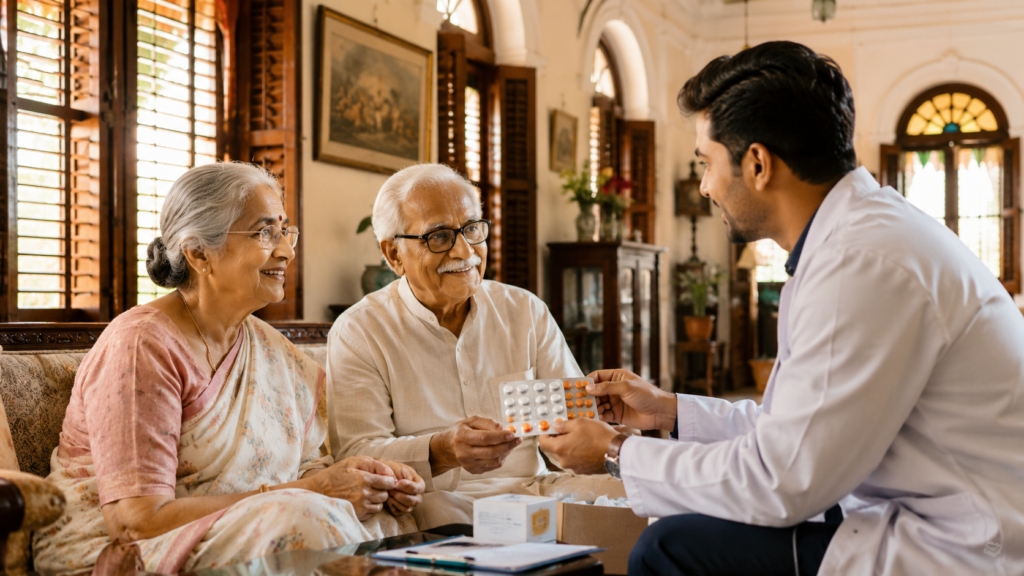
As the cultural and historic capital of West Bengal, Kolkata holds a unique demographic distinction: it is home to one of India’s largest populations of aging citizens. With thousands of senior citizens living independently—often while their adult children work in other Indian metro cities or abroad—the demand for reliable, compassionate, and structured healthcare has never been more vital. Navigating complex prescriptions, tracking multi-drug regimens, and managing chronic ailments present daily challenges for aging individuals. This is where a dedicated senior care pharmacy in Kolkata bridges the gap between traditional clinical care and comfortable home living. The Evolving Need for Senior Citizen Care in Kolkata Aging brings a natural shift in healthcare requirements. It is rarely a matter of taking a single daily pill; rather, modern elderly care involves managing multiple chronic conditions such as hypertension, type 2 diabetes, arthritis, cardiac conditions, and cognitive decline like dementia or Alzheimer’s. In the context of senior citizen care Kolkata, traditional retail corner pharmacies often fall short. Standard drug stores sell medications over the counter without reviewing potential multi-drug interactions, monitoring compliance, or offering customized dosage packaging. Senior care pharmacy goes far beyond simple pill dispensing. It integrates clinical oversight with personalized service. Specialized geriatric pharmacists collaborate directly with attending physicians, family members, and home nurses to ensure that every prescription is optimized for safety, efficacy, and ease of administration. Core Pillars of Senior Care Pharmacy Services To truly serve the elderly demographic, dedicated pharmacy services integrate several specialized clinical functions: Comprehensive Medication Therapy Management (MTM): A systematic review of all prescribed medications, over-the-counter drugs, and supplements to identify contraindications, redundant therapies, or adverse side effects. Adherence Packaging (Pill Pouching & Blister Packs): Prescriptions organized by date and exact dosage time (Morning, Noon, Evening, Bedtime), eliminating confusion and reducing missing or doubled doses. Doorstep Delivery & Automatic Refill Synchronization: Ensuring seniors never run out of vital maintenance medications through scheduled monthly home deliveries. Direct Physician & Caregiver Coordination: Seamless communication with local doctors, diagnostic centers, and family members to adjust dosages as health conditions evolve. Did You Know? Studies indicate that over 50% of prescription non-adherence among senior citizens stems from complex dosage schedules and difficulty opening traditional pill bottles. Customized dose packaging reduces administration errors by over 80% in home-care settings. Integrating Home Care Services in Kolkata with Pharmacy Oversight Medication management does not happen in a vacuum. For homebound elders or those recovering from acute illnesses, combining specialized pharmacy solutions with robust home care assistant in Kolkata creates a complete safety net. Professional home care agencies provide trained attendants, registered nurses, and physical therapists who work directly alongside pharmacy services. When home caregivers and specialized pharmacists sync their workflows, the standard of care improves dramatically: Accurate Administration: Visiting or full-time home nurses administer pre-sorted doses exact to the clinician’s timeline. Real-time Health Parameter Monitoring: Home nurses track blood pressure, blood glucose, and oxygen saturation, sharing data with the pharmacy to spot potential adverse drug reactions early. Post-Discharge Rehabilitation: Seniors returning home after hospital stays receive seamless medication reconciliation, ensuring hospital-prescribed regimens transition smoothly to home routines. Specialized Palliative Care: Compassion & Comfort at Home For seniors facing advanced chronic illnesses, terminal conditions, or severe late-stage pain, the clinical focus shifts from curative treatment to quality-of-life optimization. Here, access to Specialized Palliative Care becomes an indispensable component of senior care pharmacy services in Kolkata. Palliative pharmacy requires deep expertise in symptom management, pain control, anti-nausea regimens, and psychological comfort. Senior care pharmacies supplying palliative programs work closely with certified palliative physicians to deliver: Specialized Pain Management: Timely access to controlled analgesics and dosage adjustments tailored to pain thresholds. Symptom Relief Formulations: Providing specialized dosage forms (such as oral liquids, sublingual drops, or transdermal patches) for seniors who have difficulty swallowing pills (dysphagia). 24/7 Emergency Support: Ensuring urgent relief medications are delivered without delay during critical symptom flare-ups at home. By bringing palliative pharmacy solutions into the home setting, families in Kolkata can provide their loved ones with dignity, peace, and relief in familiar, comforting surroundings. Why Specialized Geriatric Pharmacy Matters for Non-Resident Indians (NRIs) A significant portion of Kolkata’s elderly population has adult children residing in other Indian metro cities or overseas (NRIs in North America, Europe, the Gulf, and Australia). Managing an aging parent’s complex medical routine from thousands of miles away is a major source of stress. Partnering with an established senior care pharmacy in Kolkata offers remote family members complete peace of mind through: Digital Care Dashboards & Monthly Updates: Regular reports on refill history, adherence rates, and pharmacist observations. Centralized Billing & Auto-Payments: Simple digital payment gateways allowing children to manage healthcare expenses remotely. Dedicated Case Managers: A single point of contact in Kolkata to coordinate between doctors, home care workers, and delivery staff. Comparison: Retail Pharmacy vs. Specialized Senior Care Pharmacy Feature Standard Retail Pharmacy Specialized Senior Care Pharmacy Packaging Standard bottles / foil strips Pre-sorted time/date dose pouches or blister packs Review None (Transactional) Full Clinical Medication Therapy Management (MTM) Delivery Ad-hoc / Counter pick-up Synchronized monthly home delivery & doorstep checks Palliative Support Limited stock of specialty drugs Dedicated supply chain for Specialized Palliative Care Care Coordination None Directly synced with home care services in Kolkata Conclusion: Restoring Dignity and Convenience to Elder Healthcare Ensuring healthy, comfortable, and dignified aging for our seniors is one of society’s highest callings. As Kolkata continues to modernize its healthcare infrastructure, the shift toward integrated senior citizen care Kolkata solutions—anchored by professional senior care pharmacy services, robust home care services in Kolkata, and compassionate specialized palliative care—represents a monumental leap forward. Whether you are living in Kolkata alongside your elderly parents or coordinating their care from afar, adopting a dedicated senior pharmacy model ensures safety, compliance, and above all, peace of mind for the whole family.

Elder care services in Kolkata providing social engagement for a group of seniors.
Blog

The Power of Personalization: Why Customized Elder Care Plans are the Future

As we age, our needs become as unique as our life stories. A “one size fits all” approach to healthcare often fails to address the subtle nuances of a senior’s physical emotional, and social well-being. This is why Customized Elder Care Plans have become the gold standard for families who want their loved ones to thrive, not just survive, in their later years. A bespoke care plan acts as a living document. It evolves with the individual, moving from simple companionship to complex medical management without ever losing sight of the person’s dignity and preferences. Building a Foundation of Support For families living in urban hubs, the search for quality support often begins with reputable Elder Care Services in Kolkata. These organizations specialize in assessing a senior’s home environment, medical history, and personality to create a structured daily routine. Whether it is ensuring a social calendar is maintained or coordinating regular doctor visits, the goal is to keep the senior engaged with the world around them. However, the backbone of any personalized plan is the daily execution. This is where Home Care Assistance in Kolkata proves indispensable. Trained caregivers provide the essential “hands-on” support that allows seniors to remain in their own homes safely. From help with mobility and personal grooming to preparing nutritious meals that cater to specific dietary restrictions, these assistants ensure the care plan is followed to the letter every single day. Addressing Complex Medical Needs Personalization becomes even more critical when dealing with chronic or progressive illnesses. For patients who require specialized symptom management and a focus on quality of life, Home palliative care services Kolkata are integrated into the broader care plan. This ensures that pain management, respiratory support, and emotional counseling are delivered in a familiar, stress-free environment, surrounded by family and cherished memories. Alt Text: A professional creating Customized Elder Care Plans for an elderly man and his family at home. Furthermore, as the city grows as a medical destination, many families from outside the state—or even the country—rely on Medical tourism services Kolkata to access specialized geriatricians and surgeons. A customized plan ensures that once the high-tech hospital intervention is over, the transition back to a home or a recovery suite is seamless, with all post-operative needs pre-arranged. What Should a Customized Plan Include? When sitting down with a care manager to draft Customized Elder Care Plans, consider these four pillars: Physical Health: Medication schedules, physiotherapy routines, and regular vitals monitoring. Safety & Environment: Home modifications like grab bars or non-slip mats to prevent falls. Nutrition: Meal plans designed around chronic conditions like diabetes or hypertension. Mental & Social Well-being: Activities that stimulate the brain, such as puzzles, reading, or supervised outings to local parks. Why Choose a Local Approach in Kolkata? Kolkata is a city built on deep-rooted family values. By choosing a local care provider, you ensure that the caregivers understand the language, the culinary preferences, and the cultural nuances that make a senior feel truly “at home.” A customized plan in this city isn’t just about medicine; it’s about Adda (conversation), community, and respect. Conclusion: A Roadmap for Dignity Investing in Customized Elder Care Plans is about more than just managing old age; it is about honoring a lifetime of hard work and contributions. By blending professional medical oversight with compassionate daily assistance, we give our elders the greatest gift of all: the ability to age on their own terms, with their comfort and identity fully intact.

Elder care services in Kolkata professional assisting an NRI senior citizen.
Blog

Bridging Borders for Health: International Patient Assistance Kolkata

Kolkata has long been recognized as the cultural capital of India, but in recent years, it has earned a new reputation: a premier destination for global healthcare. For individuals traveling from Bangladesh, Nepal, Bhutan, and even Western nations, International Patient Assistance Kolkata serves as the vital link between a medical crisis and a world-class solution. Navigating a foreign healthcare system can be overwhelming. Specialized assistance teams in the city now offer end-to-end support, ensuring that language barriers, travel logistics, and administrative hurdles never stand in the way of life-saving treatment. The Foundation of Support in the City The journey often begins long before a patient touches down at Netaji Subhash Chandra Bose International Airport. Comprehensive Medical tourism services Kolkata provide pre-arrival consultations, digital review of medical records, and detailed cost estimates. This transparency allows families to plan financially and emotionally, knowing they are in the hands of accredited institutions like Apollo, Fortis, or AMRI. Once the patient arrives, the focus shifts to a seamless clinical experience. However, the best medical outcomes are achieved when the patient is at ease. This is why many families choose to integrate Elder Care Services in Kolkata into their stay. These services provide companionship and localized support for elderly relatives accompanying the patient, allowing the primary caregiver to focus entirely on the medical recovery process. Comprehensive At-Home and Post-Operative Care For international patients undergoing major surgeries or long-term treatments, the recovery phase is critical. Not every patient needs to remain in a hospital room for the duration of their stay. Many opt for high-end guest houses or serviced apartments, where they can receive Home Care Assistance in Kolkata. Professional caregivers assist with post-surgical wound care, mobility, and daily vitals monitoring, bridging the gap between the ICU and the flight back home. Alt Text: International Patient Assistance Kolkata representative welcoming a foreign family for medical treatment. For those dealing with complex, chronic conditions that require a gentler touch, the city offers specialized medical teams. Accessing Home palliative care services Kolkata ensures that patients traveling for late-stage treatments receive expert pain management and psychological support in a comfortable, home-like setting. This holistic approach ensures that “care” extends far beyond the operating theater. Key Services for International Patients A dedicated assistance cell in Kolkata typically manages the following: Visa Invitation Letters: Expediting the Medical Visa process with Indian High Commissions. Language Interpretation: Dedicated staff for Arabic, French, Bengali, and other regional languages. Airport Transfers: Complimentary pick-up and drop-off in specialized medical vehicles. Currency & Connectivity: Assistance with local SIM cards and currency exchange within hospital premises. Why Kolkata is the Preferred Choice Beyond the clinical excellence, Kolkata offers an affordable cost of living for attendants. The city’s proximity to major transport hubs and its reputation for “heartfelt hospitality” make it a less intimidating destination for those already stressed by illness. Conclusion: Your Global Health Partner Choosing International Patient Assistance Kolkata means choosing a partner that values your time and your health. By coordinating specialized medical expertise with local care and logistical precision, the city ensures that every international patient returns home not just treated, but truly cared for. If you are planning a medical journey to India, reach out to a local coordinator today to experience a healthcare journey defined by excellence and empathy.

Palliative care team in Kolkata discussing a customized pain management plan.
Blog

Compassion in Every Step: A Guide to Specialized Palliative Care in Kolkata

Dealing with a serious or life-limiting illness is a journey that no one should walk alone. In the vibrant yet busy landscape of West Bengal’s capital, families are increasingly seeking Specialized Palliative Care Kolkata to ensure their loved ones live with dignity, comfort, and the highest possible quality of life. Unlike traditional medical treatments that focus solely on curing a disease, specialized palliative care centers its attention on the patient as a whole. It’s about managing pain, alleviating distressing symptoms, and providing a robust emotional safety net for both the patient and their caregivers. The Holistic Connection to Senior Wellness For many families in the city, the need for palliative support often arises alongside broader aging requirements. Integrating Elder Care Services in Kolkata into a healthcare plan ensures that seniors are not just medically stable, but also socially and mentally engaged. These services provide the foundation of companionship and safety that allows specialized medical interventions to be more effective. In many cases, the most effective care happens within the sanctuary of one’s own residence. This is why Home Care Assistance in Kolkata has become a cornerstone of local healthcare. Professional assistants help with the “invisible” tasks of daily life—mobility, hygiene, and nutrition—which reduces the physical strain on family members and allows them to focus on spending meaningful time with their loved ones. Bringing the Hospital to the Home For patients with advanced conditions such as cancer, end-stage organ failure, or neurological disorders, hospital environments can often feel cold or stressful. Home palliative care services Kolkata bring clinical expertise to the bedside. Experienced nursing teams and palliative doctors provide: Advanced pain management and symptom control (addressing breathlessness, nausea, and fatigue). Wound care and bedsore management. Psychological and spiritual counseling to navigate the emotional weight of illness. Family caregiver training to empower relatives with nursing skills. Alt Text: Specialized palliative care Kolkata team member providing emotional and clinical support to a senior patient at home. Kolkata: A Rising Hub for Global Healthcare The medical infrastructure in Kolkata has seen a massive transformation over the last decade. The city is now a preferred destination for people from neighboring states and countries, thanks to comprehensive Medical tourism services Kolkata. These services help patients navigate world-class facilities like the Tata Medical Center or Chittaranjan National Cancer Institute, ensuring that even those traveling from afar can access top-tier palliative and curative treatments seamlessly. Why Specialization Matters Choosing a “specialized” path means you are opting for a multidisciplinary team. A typical palliative team in Kolkata includes not just doctors and nurses, but also physiotherapists, nutritionists, and social workers. This “360-degree” approach ensures that every aspect of the patient’s suffering—be it physical, social, or spiritual—is addressed with expert precision. Conclusion: Choosing Peace Over Pain The goal of Specialized Palliative Care Kolkata is not to add days to life, but to add life to days. By combining expert medical symptom management with the warmth of home-based assistance, families can transform a period of distress into a period of peace and connection. If you or a loved one is facing the challenges of a serious illness, remember that asking for palliative support is not a sign of giving up—it is a proactive choice to prioritize comfort, dignity, and the human spirit.

Scroll to Top

Contact Us